A strong CV helps an employer quickly understand what you can do, how you have used your skills and why you may be a fit for a role. It does not need to be complicated or filled with design elements. It needs to be relevant, clear, accurate and easy to scan.
1. Start with the job description
Before editing your CV, read the vacancy carefully. Identify the core responsibilities, required qualifications, tools, skills and experience. Use the employer’s terminology where it accurately describes your own experience. Do not copy keywords you cannot substantiate.
2. Use a simple, professional structure
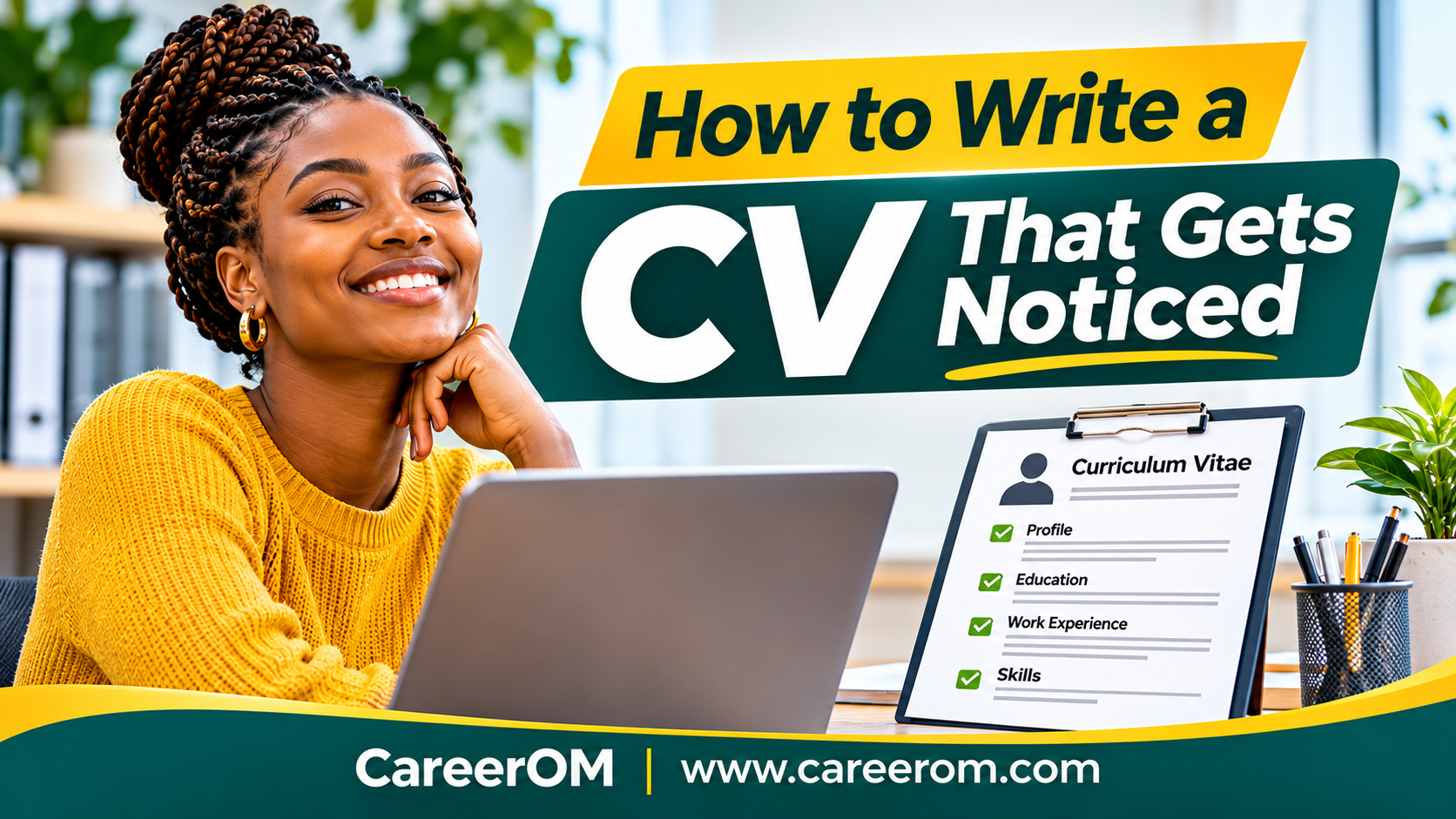
For most early-career applicants, a CV can use the following order:
- Name and professional contact details
- Short professional profile or objective, if it adds value
- Relevant work experience, internships, National Service, projects or volunteering
- Education and relevant certifications
- Skills related to the vacancy
- Additional information such as languages or relevant professional memberships
Use consistent headings, dates and spacing. Avoid complex tables, text boxes, decorative graphics and multiple columns if they interfere with reading or applicant-tracking systems.
3. Show results, not just duties
Replace vague statements with specific actions and outcomes. Where appropriate, use a simple structure: action + task + outcome. For example, instead of “responsible for reports,” describe the reports you prepared, the tools used and how the work supported a decision or process. Use numbers only when you can verify them.
4. Tailor your CV for each application
Prioritise the experience and skills that match the role. A graduate applying for an analyst position may highlight spreadsheet work, research, data projects or relevant coursework; an administrative applicant may emphasise scheduling, records, customer service and coordination. Relevance matters more than listing everything you have ever done.
5. Make the skills section credible
Group skills into relevant areas where helpful, such as technical tools, communication, project coordination or research. Avoid long lists of generic adjectives. Demonstrate skills through examples in your experience or projects wherever possible.
6. Include projects and experience if you are new to work
Internships, National Service, student leadership, volunteering, practical coursework, freelance assignments and personal projects can all demonstrate capability. Explain your contribution, the tools or methods you used and what you completed.
7. Check formatting and accuracy
- Use a readable font and consistent formatting.
- Keep the CV focused; two pages is a useful guide for many early-career applicants, not a universal rule.
- Check spelling, dates, job titles and contact details.
- Save and submit in the format requested by the employer.
- Use a clear filename, such as Firstname-Lastname-CV.pdf, where appropriate.
- Do not include sensitive personal information that is not required.
8. Prepare a matching application
Your CV should support the specific application, not replace other requested documents. Review the vacancy instructions, prepare certificates or transcripts where required and submit through the employer’s designated channel.
Browse current opportunities on the CareerOM job board and use our graduate trainee application guide for additional preparation advice.
A well-written CV is a starting point, not a guarantee of shortlisting. Make it accurate, targeted and easy for a recruiter to understand.